01 / UNDERSTANDING THE SCAN
Structure adds another
dimension to your health.
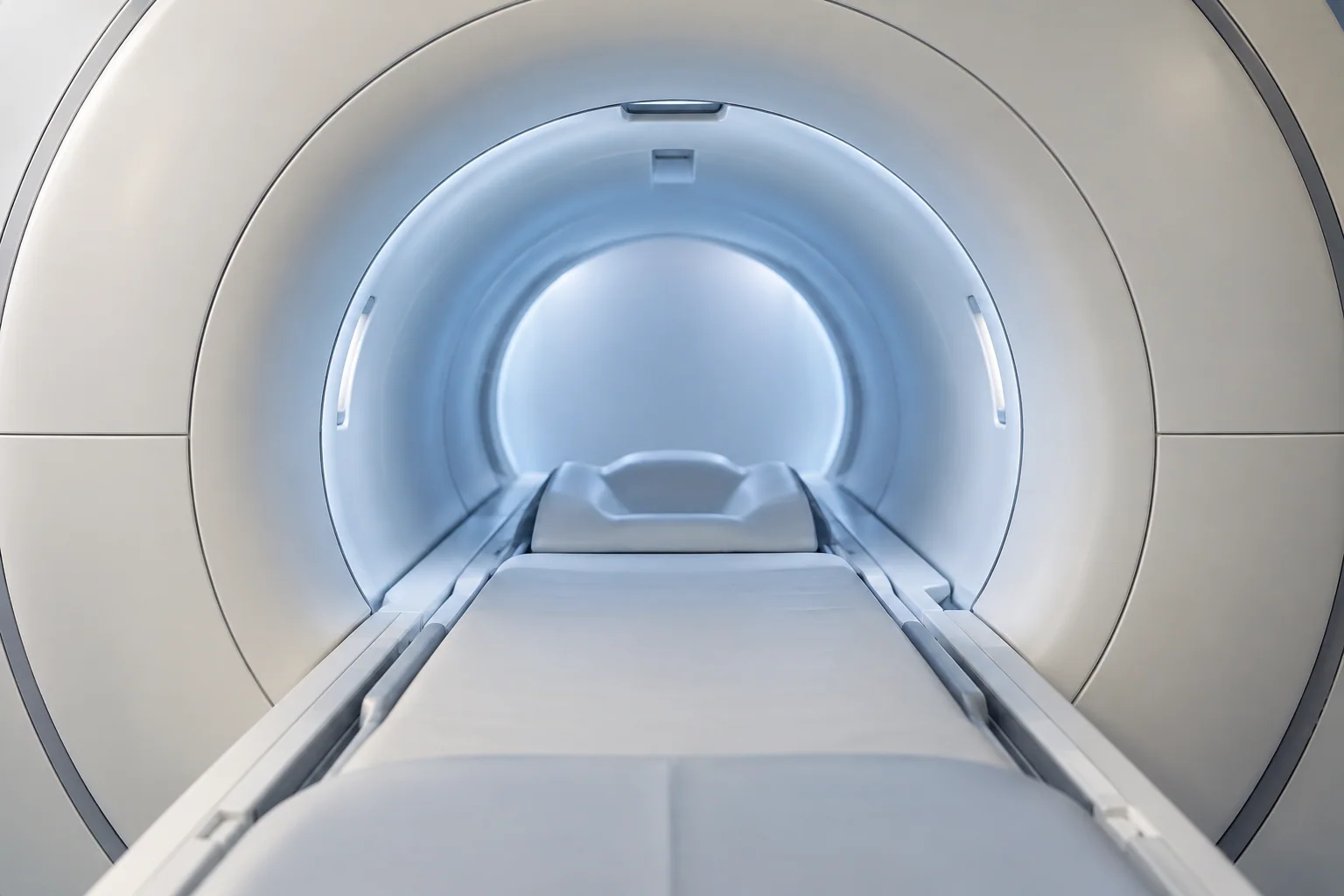
MRI uses a strong magnetic field and radiofrequency signals to create images of the inside of the body. It can show structural changes that a blood test or physical examination may not reveal. Different imaging sequences give the radiologist different views of the tissues being assessed.
Prenuvo’s standard whole-body screening scan is performed without ionizing radiation or intravenous contrast. The scan takes about an hour, with the exact protocol and appointment length confirmed when scheduling.
At OmniWell, imaging sits alongside your medical history, laboratory testing, physical performance, and nutrition assessment. It adds a structural view to the measurements of function, performance, and day-to-day health gathered throughout your assessment.
02 / AREAS ASSESSED
Many regions.
One coordinated review.
Prenuvo’s whole-body protocol surveys anatomy from head to ankle. The exact field of view depends on body size; arms and feet are outside the standard scan, and ankles may fall outside the images in taller patients.
- Brain & Head
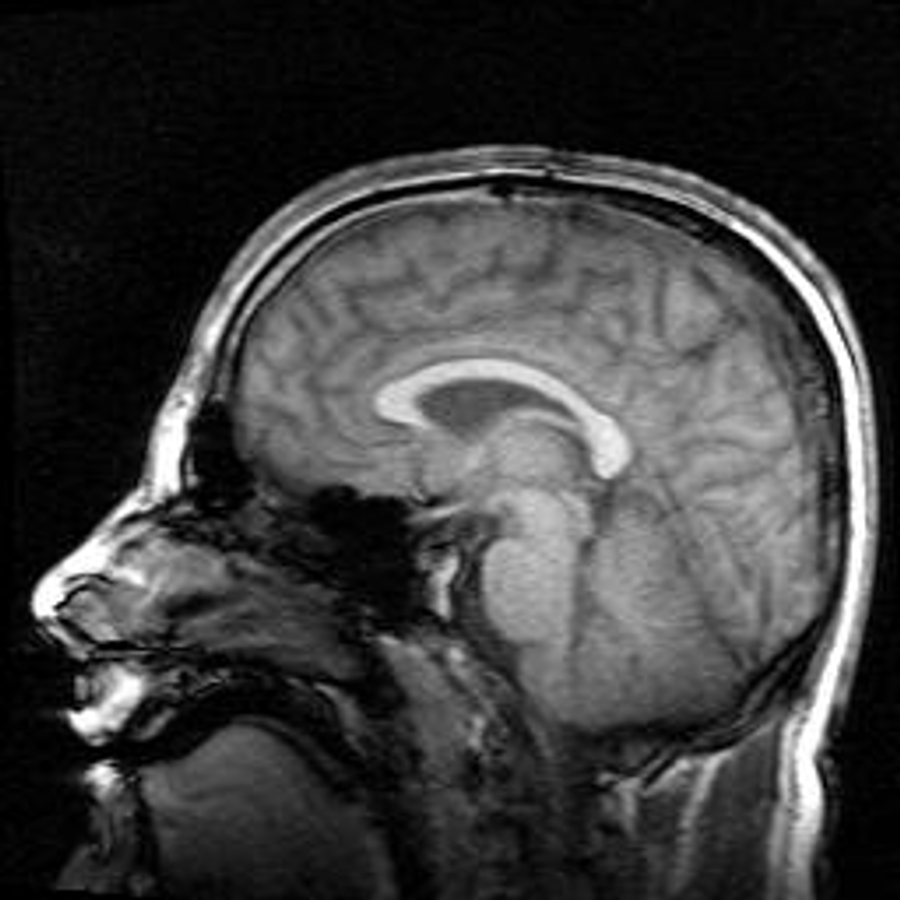
- Brain structure and surrounding regions, with assessment for visible abnormalities that may warrant closer evaluation. Selected findings may require a dedicated brain study.
- Neck
- Structures such as the thyroid and cervical lymph nodes. A finding can prompt a more focused examination or targeted imaging.
- Chest
- Broad structural assessment of the lungs and surrounding chest tissues. The scan may reveal masses or other visible changes that guide further evaluation.
- Abdominal Organs
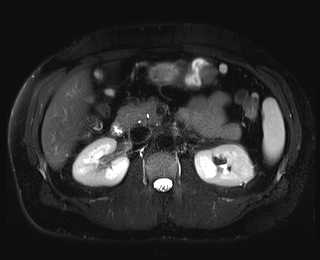
- The liver, gallbladder and bile ducts, pancreas, spleen, adrenal glands, and kidneys. The review considers structural findings such as masses, cysts, or changes in organ appearance.
- Pelvic Organs
- The bladder and reproductive organs, including the uterus, ovaries, or prostate where applicable. Broad screening images differ from dedicated organ-specific protocols.
- Spine, Bones & Soft Tissues
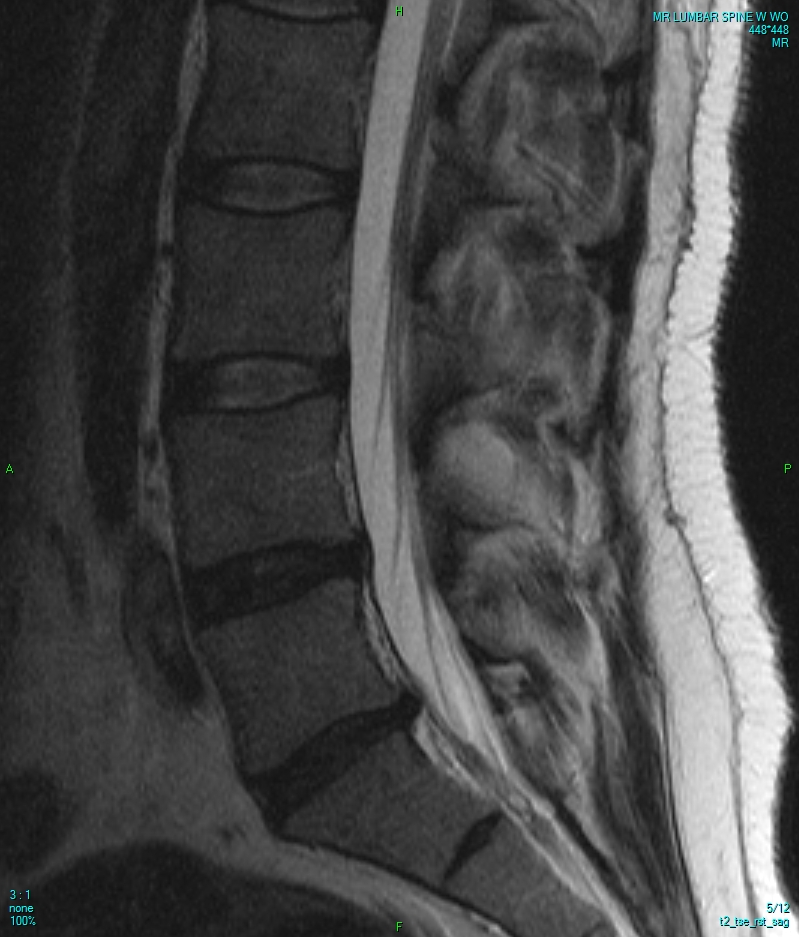
- The spine and other included musculoskeletal structures. Findings may include degenerative or other structural changes; detailed evaluation of a painful joint may need a separate study.
- Lymph Nodes
- Lymph nodes throughout the scanned regions, with assessment for enlargement or other structural changes that may warrant closer evaluation.
- Major Arteries
- Selected major arteries, with assessment for dilation or other visible structural changes. Dedicated cardiovascular testing provides additional detail when needed.
03 / YOUR IMAGES & RESULTS
Your images.
A plan built around you.
A radiologist interprets the scan and prepares a report. Your OmniWell physician reviews that report with you, connects it to your other assessments, and helps clarify any recommended follow-up.
What You Receive
- Your radiology report. A written interpretation of the scan, including the findings and recommended next steps.
- Your images. Key images and access to the complete MRI image series in DICOM format, which can be shared with your clinicians.
- Your OmniWell review. Physician guidance that connects the imaging with your laboratory results, other assessments, and personal goals to shape a clear follow-up plan.
Inside Your Report
- Findings
- What the radiologist sees in the areas examined. A description may be normal, clearly benign, uncertain, or concerning.
- Impression
- The radiologist’s summary of the most important observations and their possible significance.
- Recommendations
- Suggested next steps, which may include clinical review, comparison with prior information, targeted imaging, a specialist assessment, or follow-up at a defined interval.
“Lesion” means an area of abnormal tissue; the word alone does not establish cancer. Similarly, an incidental finding is something discovered unexpectedly. Some findings need no further action, while others deserve a closer look.
Understanding a Radiology Report · ACR / RSNA ↗
A Baseline to Build On
Your first scan establishes a reference point for future Prenuvo scans. Comparing with earlier Prenuvo images can help the radiologist assess what has changed and what has remained stable. OmniWell brings that information together with your broader health trends to guide care over time.
04 / PREPARING FOR YOUR SCAN
Know what to expect
before you arrive.
Before the Appointment
Complete the imaging team’s health and safety questionnaire. Share previous imaging reports, relevant procedures, and current symptoms. Prenuvo accepts prior reports for review but currently does not offer outside-image upload or direct comparison with images from other providers.
Prenuvo currently advises avoiding food for four hours before the scan. Follow the instructions issued for your appointment, and confirm an appropriate plan if fasting affects a medical condition or medication schedule. Do not independently stop prescribed medication.
During the Scan
You lie on a table that moves through the MRI scanner. The team provides hearing protection and instructions for remaining still and, at times, holding your breath. You can communicate with the technologist during the examination.
After the Scan
Most people can resume usual activities after a scan without sedation. If you take prescribed medication for anxiety, follow the clinician’s instructions and arrange a ride home. We confirm the expected reporting timeframe and results-review arrangements when scheduling.
Safety Screening Comes First
Tell the imaging team about implanted devices, pacemakers, surgical clips, metal fragments, medication pumps, or recent surgery before booking. Bring the make and model of any implant. Prenuvo currently does not scan patients with pacemakers. Other implants require review based on the device and scanning protocol.
Tell the team if you are pregnant or may be pregnant. Prenuvo does not perform elective screening MRI during pregnancy; this is different from medically necessary diagnostic MRI, which is considered individually. Also discuss claustrophobia, pain, or difficulty lying flat so the team can plan for your comfort.
MRI Safety · ACR / RSNA ↗Preparing for an MRI · ACR / RSNA ↗ Prenuvo’s Current Preparation Guidance ↗
05 / OMNIWELL CLINICAL PERSPECTIVE
The report is the start
of a clear plan.
Our role is to help you understand what matters, what needs attention, and what can be followed thoughtfully over time.
Put the finding in context.
Consider your symptoms, history, examination, laboratory findings, and previous reports. A structural observation does not automatically explain a symptom or establish a need for treatment.
Agree on the next step.
That may mean no additional action, a defined monitoring interval, or further evaluation. Depending on the finding, a dedicated MRI, ultrasound, CT, specialist review, or occasionally a biopsy may be appropriate.
Make follow-up specific.
Clarify what is being followed, why, who will arrange it, and when it should happen. A time-sensitive finding should be addressed on its own timeline rather than waiting for a routine annual assessment.
Testing Within OmniWell
Our current assessment listing includes annual Prenuvo whole-body MRI, including brain imaging, in Signature and Pinnacle, with a radiologist report and physician review. In Foundation, it is available through an optional, separately purchased imaging add-on. Outside diagnostic work-up is separately billed.
View the Full MRI Assessment Listing →06 / MRI WITHIN YOUR CARE PLAN
A broader view.
A coordinated plan.
Whole-body MRI adds a detailed structural view to your health assessment. Your OmniWell physician brings the findings together with the screenings and focused evaluations appropriate for your age, history, symptoms, and goals.
- Routine screening. Continue recommended breast imaging, cervical screening, and colorectal screening, along with low-dose chest CT when indicated. Whole-body MRI complements these tests.
- Focused evaluation. Heart and coronary-artery assessment, fine lung detail, digestive-tract lining, joint structures, skin, and small brain vessels are better assessed with dedicated testing or examination. A specific symptom or finding may call for a targeted study.
- Physician-guided interpretation. A normal scan is useful information, but cannot rule out every cancer or other condition. Findings are interpreted in context, with follow-up when needed; some incidental findings may lead to additional testing.
07 / COMMON QUESTIONS
A few useful distinctions.
Does “no contrast” mean contrast is never useful?
No. Prenuvo’s screening protocol does not use intravenous contrast. A different, medically indicated MRI may benefit from contrast to answer a specific question.
Will I need a scan every year?
OmniWell currently includes an annual MRI in Signature and Pinnacle. Your physician considers your circumstances and prior findings when planning imaging; a particular finding may need a different interval or a different test.
What if I have a new symptom?
Bring it to your clinician rather than waiting for a screening scan. A new symptom may need a focused assessment even when a recent whole-body MRI was reassuring.
08 / SOURCES & FURTHER READING
Understand the imaging.
Explore the evidence.
This guide provides general educational information. Prenuvo resources describe the current imaging service; FDA and radiology-society resources explain MRI, patient safety, and report interpretation. Test selection and interpretation are individualized.
- Prenuvo · Current Whole-Body Scan Offering ↗
- Prenuvo · Preparation, Coverage & Results Questions ↗
- Prenuvo · Regions, Potential Findings & Limitations ↗
- FDA · How MRI Works ↗
- ACR / RSNA · Body MRI ↗
- ACR / RSNA · Preparing for an MRI ↗
- ACR / RSNA · MRI Safety ↗
- ACR / RSNA · Understanding Your Radiology Report ↗
- National Cancer Institute · What “Lesion” Means ↗